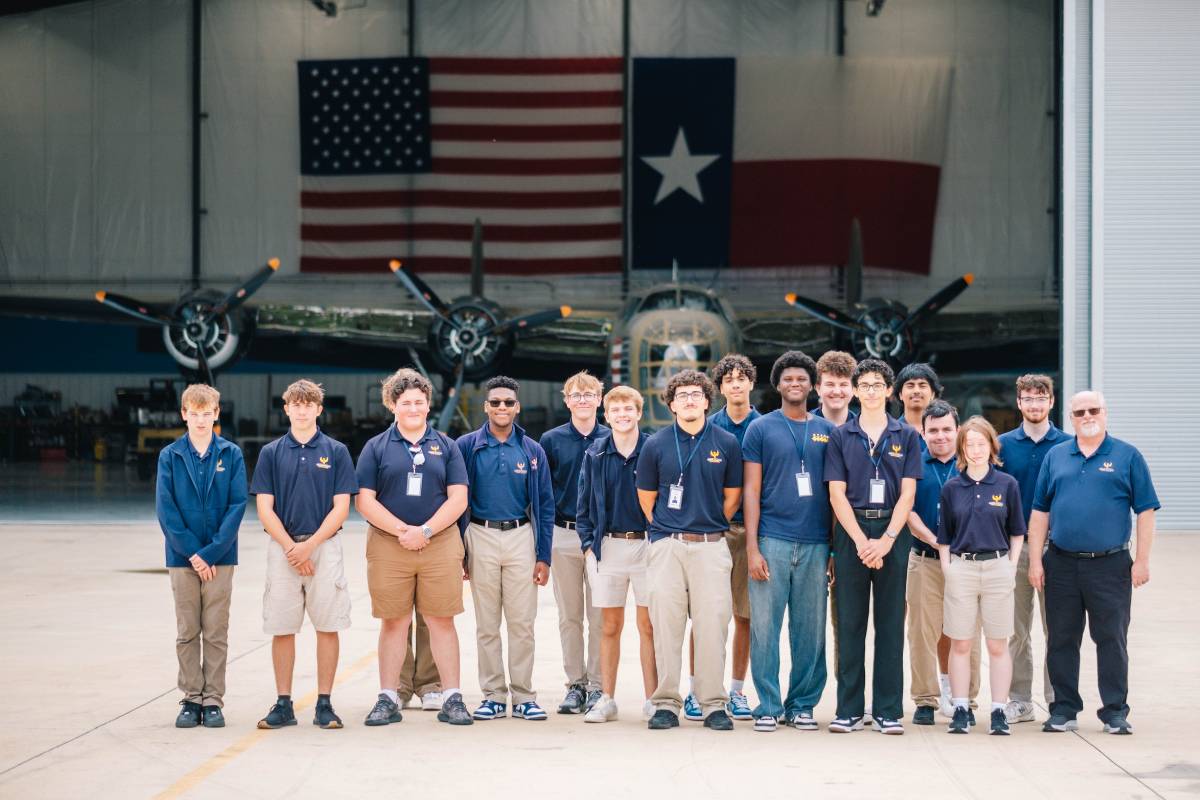
Zach: Welcome to another episode of Pilot Say What, where we get to hear what pilots have to say. Today we're talking with Scott Meehan, founder of Rising Aviation High School. This is a school focused on aviation careers, and we'll hear more about that. We'll also talk a little about the industry and how Scott got into aviation himself. Scott, would you mind giving us a brief introduction?
Scott: Sure. I'm Scott Meehan, founder of Rising Aviation High School, located here at Addison Airport. This is actually my fourth career. I started in government, then moved into industry on the aerospace side, where I spent about 35 years. After that I started a software company focused on 911 computer-aided dispatch, command and control, police records, and mobile data systems. We eventually sold that company.
Then I went into education. We started a charter school in Arizona for dropout recovery and at-risk youth. That school is still operating today. We started with 102 students and now have about 3,000 enrolled across Arizona.
I moved to Dallas, and during COVID I wasn't doing much, like everyone else. One of the few industries still operating was flight schools, so I called Thrust Flight. I'd always wanted to fly. Aerospace was fine, but that's not aviation. I wasn't going to space with satellites.
I took my first flight lesson, and it just hit me. I had experience working with at-risk youth, and I realized that if you put a kid in an airplane and give them the controls, it's life-changing. Absolutely life-changing.
Zach: So that led to the school?
Scott: For two years I searched for a facility or airport that would allow a high school on the field. When you go talk to airport managers about putting a high school there, the response is usually, "What's in it for me? You'll buy some fuel, pay a little rent, and bring a bunch of kids running around." Eventually I found a home here at Addison and bought the building.
The first year during COVID I basically sat there alone because we couldn't open or recruit. Then we got one student, then seven, then 20, then 30. Now we're working toward 50, and with the new Texas Education Freedom Accounts helping with tuition, we expect to reach 100 students before long.
On the school model and what students actually do
Zach: Can you tell me about your earlier education work in Arizona and how it informed what you're doing now?
Scott: The Arizona school was one of the first to use computer-based education. We started around 1999 to 2000, so it was still early. Our typical student was 18 or 19, someone the education system had failed. A lot of them had jobs, families to support. They knew they needed to come back to school.
The model was based on content mastery rather than seat time. If you could get through a history class in two weeks, great. Take the exams and move on. We brought that same concept here. Core classes are computer-based and can be done from home or in our learning lab, with a certified teacher available. Aviation classes are in person on campus. If a student is struggling, we make them come in. We're going to do everything we can to make sure they succeed.
Being a private school also gives us flexibility a public school just doesn't have. A public school board isn't going to approve buying an airplane. But we can. And if it's a nice day, we can send students out to get their flight hours in and come back to continue their coursework.
Zach: Does every student come in wanting to fly?
Scott: The first thing every eighth grader says is that they want to be a fighter pilot. That's just where their head is. But we offer three tracks: fixed-wing pilot training, aircraft maintenance technology, and drone pilot certification.
On the maintenance side, we cover the first of three phases toward becoming an AMT, which is the generals. Once a student completes that and moves over to Thrust Maintenance, they can finish in about six months. Six months out of high school, they can be earning a six-figure salary as an AMT. That's pretty remarkable.
The drone track is still developing, as the industry itself is still developing. And then there are plenty of other paths in aviation. We had one graduate who is now the lead ramp agent at DFW for a private corporation. Another is doing aircraft detailing at Love Field, working on Gulfstreams and high-end jets. It gets them into the industry, and that's what matters.
On soft skills and what aviation really teaches
Zach: You mentioned STEM. Can you say more about what students actually develop at Rising Aviation?
Scott: We call it STEAM: science, technology, engineering, aviation, and math. Students get all of that, but through the lens of aviation. And even if they don't end up in aviation, they develop skills that prepare them for almost any career.
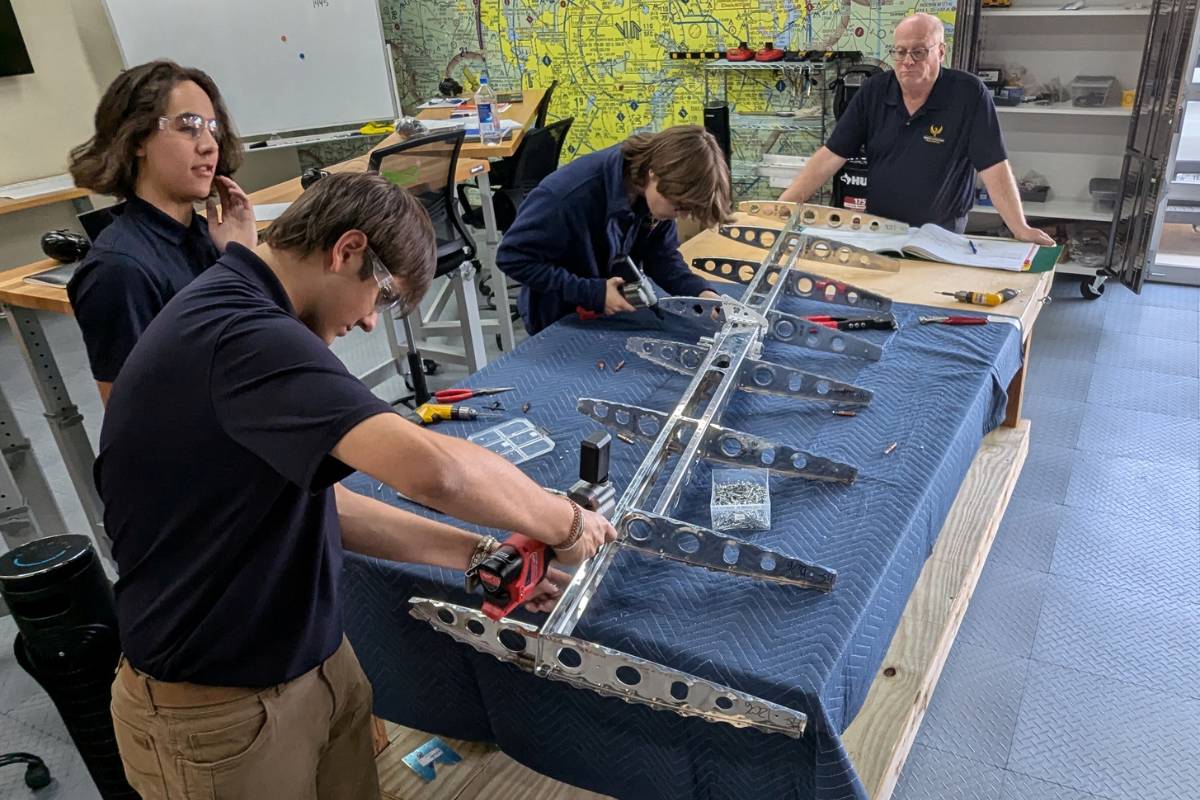
What I think gets overlooked is the soft skills. Think about what it means to have a 15 or 16-year-old flying a plane solo. Or building an RV-12 in the maintenance lab. Or engineering drones and competing at the national level. You develop communication, adaptability, teamwork, leadership, and resilience through that kind of work.
It's not intentional classroom teaching like, "Today we're learning leadership." It comes naturally from the environment. Leaders emerge. Students learn to adapt. The teamwork is built in because nothing in aviation is done alone.
Zach: That focus also seems to give students a reason to learn the core academics.
Scott: Exactly. Even in core classes, we ask: why do you need to write an essay? Well, here are examples of why a pilot or a mechanic has to do exactly that. The context makes everything meaningful.
On competing and what students are capable of
Zach: How do you think about trusting young students with something as technical as working on aircraft?
Scott: They're capable. There are checks, FAA requirements, structured processes. Our maintenance instructor is a retired AMT, one of the best. Our aviation instructor is both a CFI and a certified Texas educator, which is an incredibly rare combination.
And honestly? I can barely program my phone. These kids are so technology-oriented that they pick things up fast and do exceptional work.
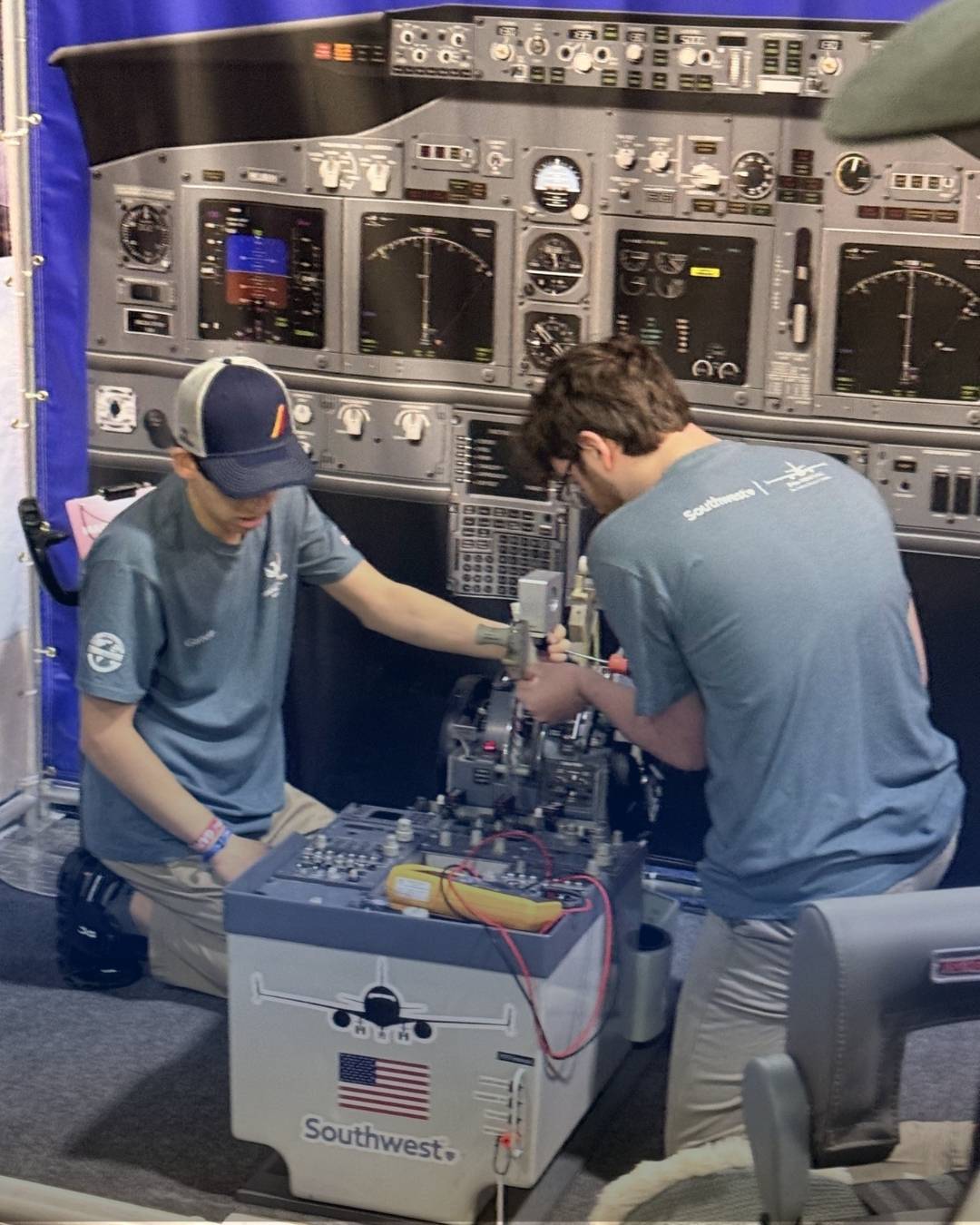
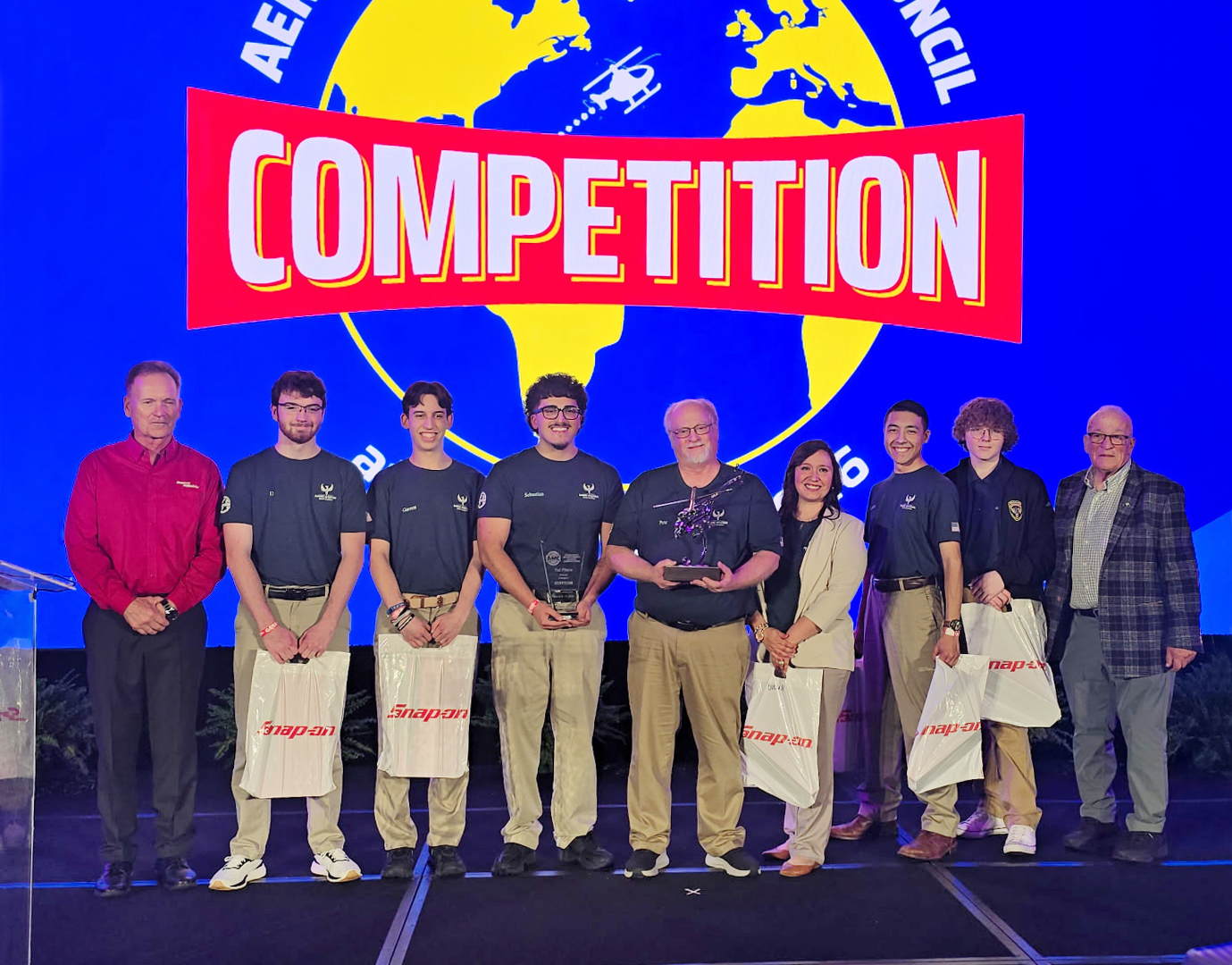
Our maintenance students were invited to compete at Verticon. They're going up against military personnel and airline teams, with only one other high school in the field. The intensity of their preparation has been something else. They're going to be competitive.
Editor Note: Rising Aviation High School took first place in the Verticon competition, beating out all of the collegiate and military teams.
On Scott's own path to flying
Zach: When did you first want to fly?
Scott: Since high school. After graduation, one of my first jobs was as a janitor at National Airport, now Reagan National, in Washington DC. I was just trying to get close to aviation and figure out a way in. Then I was part of one of the first security screening teams after the terrorist attacks in the 70s, going through baggage by hand before X-ray machines existed. Then I got what felt like my dream job as an aircraft fueler, until the oil embargo hit and I got laid off with everyone else.
I tried to get on the ramp with the airlines, into the unions. It was just really hard to break in. Eventually I had to give it up, raise a family, build a career. I kept seeing airplanes go by and put flying on the back burner for a long time.
Zach: And then COVID gave you the opening?
Scott: That's right. I called Thrust, and the rest is history.
Zach: What was it like going through your private pilot training?
Scott: The amount of book work surprised me. It's 90% reading, studying, and understanding concepts. The flying part was actually easy. The challenge was finding the time as an adult with work and family. You just have to put your mind to it and show up consistently.
Zach: Were you nervous for your check ride?
Scott: Can I say hell yeah? Yeah, I was. I kept putting it off because I wanted to be perfect. Weather would push things back. I'd have to get back out and rebuild confidence. But you've been trained, you know what to do, and eventually muscle memory takes over.
On advice for aspiring pilots and prospective RAHS students
Zach: What would you say to someone thinking about starting flight training?
Scott: If you have the desire to fly, just find a way. Build a plan and stick to it. It's a little like dieting. You need a structure: this is how much I'm flying this month, this is my study schedule. Get it out of the way and get it done.
Zach: And what would you say to a student or family considering Rising Aviation?
Scott: Look at the possibilities. A lot of people hear about us and think, "I don't want to be a pilot." That's fine. You don't have to be a pilot. You don't have to be a mechanic or fly drones. But the technical skills and soft skills you develop here will make you a better student and a better employee, whatever you do.
What we're working toward is a reputation where employers see "Rising Aviation High School" on a resume and think, "That person is prepared." That's the goal.