Texas families have four distinct ways to pay for private high school in 2026:
- The Texas Education Freedom Accounts (TEFA) program ($10,474 per student for 2026-27).
- ACE Scholarships ($4,000 for high school students meeting income guidelines).
- Aviation-specific scholarships from organizations including the AOPA Foundation and EAA.
- School-based financial aid offered directly by individual institutions.
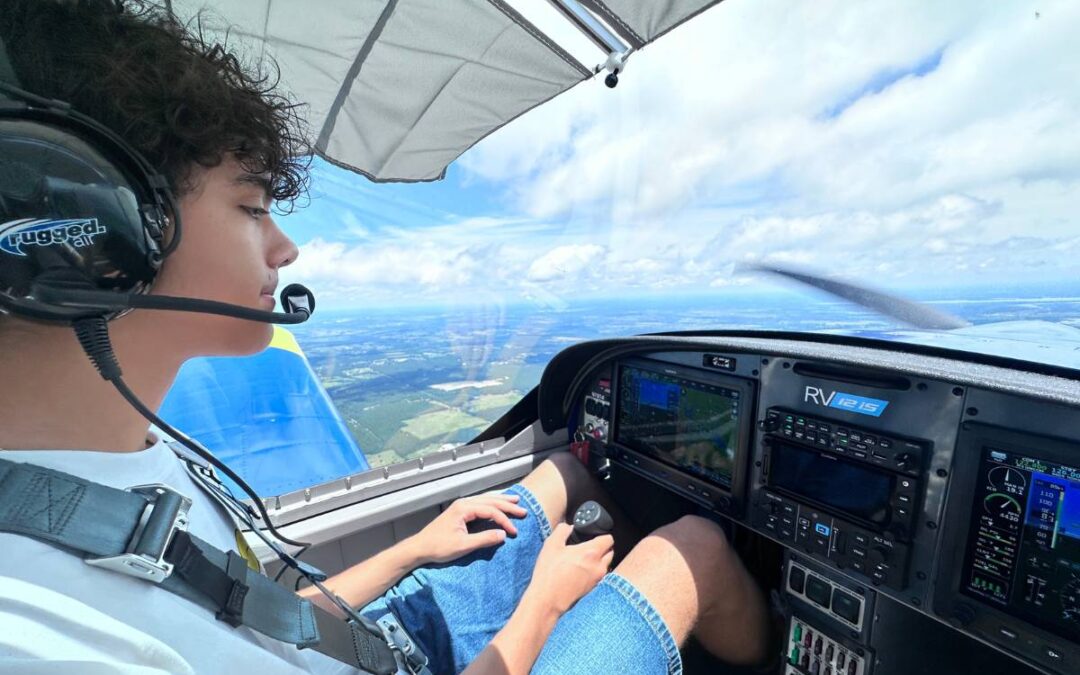
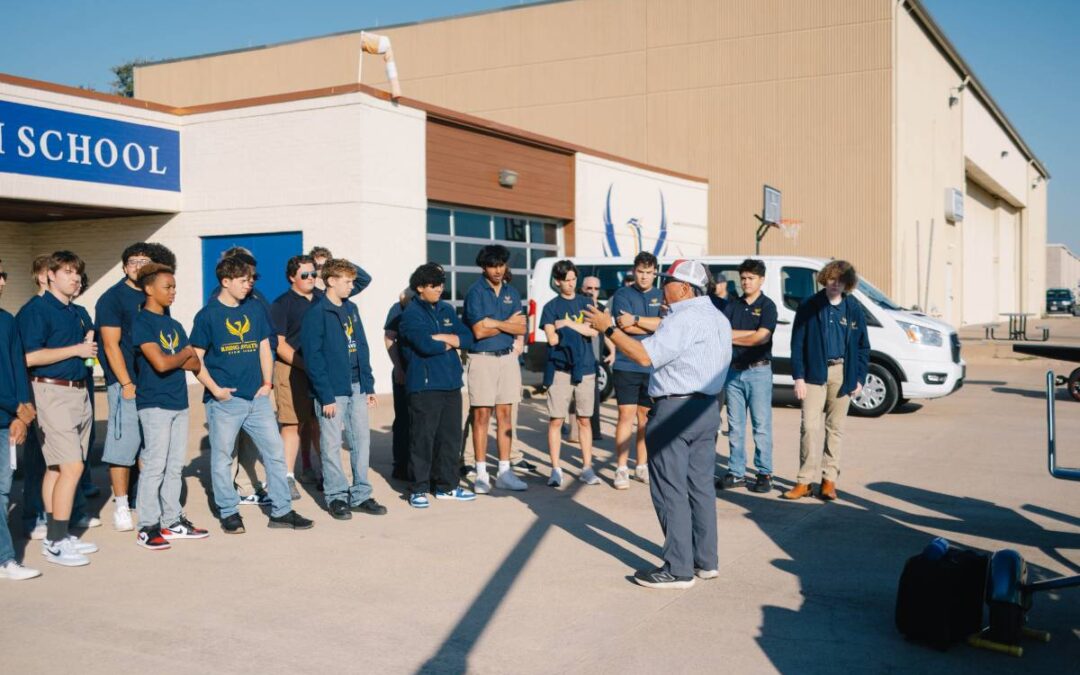
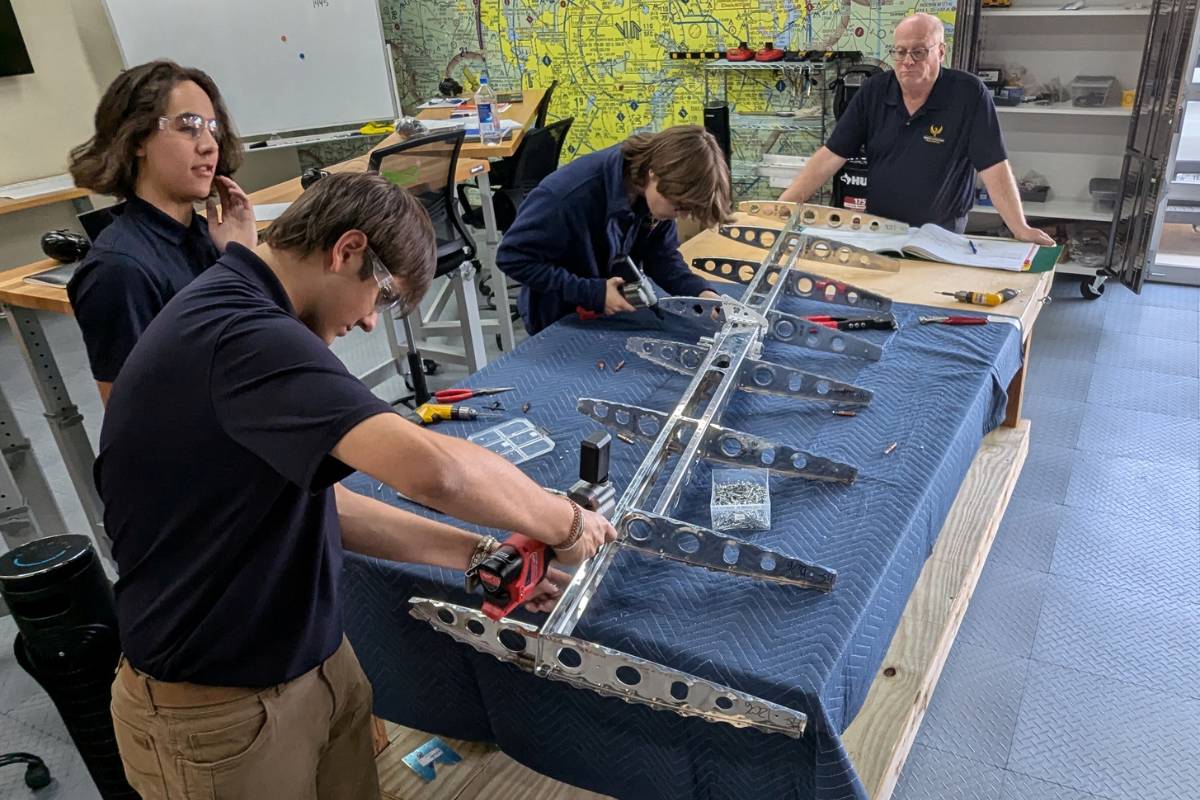
For a family enrolling at Rising Aviation High School, stacking TEFA funding against annual tuition of $11,950 leaves a net out-of-pocket cost of approximately $1,476 per year before any additional aid is applied. In this article we’ll explore these four options for Rising Aviation High School students.
Best Ways to Pay for Private High School in Texas In 2026
Private high school in Texas became materially more affordable in 2026 than it was in 2025. The Texas Legislature’s passage of Senate Bill 2 in 2025, creating the Texas Education Freedom Accounts (TEFA) program, introduced the first large-scale state funding mechanism for families choosing private K-12 education. For the first time, Texas families can access state funds without their child attending a public school.
That change does not eliminate cost for every family. TEFA is funded by $1 billion allocated for the 2026-27 school year, which the Texas Comptroller estimates will serve approximately 90,000 students statewide. more than 175,000 students applied in the first application window, meaning roughly half of applicants will not receive funding in year one. Families who do not receive TEFA have other options, and families who do receive TEFA can often layer additional awards on top of it.
This guide covers each funding option in plain terms, with specific numbers.
Option 1: Texas Education Freedom Accounts (TEFA)
TEFA is the largest single funding source available to Texas private school families in 2026, providing $10,474 per student for the 2026-27 school year.
What is TEFA?
Texas Education Freedom Accounts is a state-funded education savings account program administered by the Texas Comptroller of Public Accounts and managed through a platform called Odyssey. Families accepted into the program receive state funds deposited into a secure account, which they direct toward approved educational expenses at a participating private school or other approved provider.
The program operates under Senate Bill 2 (89th Texas Legislature) and is governed by the rules established under that legislation.
How Much Does TEFA Provide?
For 2026-27, the Texas Education Agency (TEA) set the standard TEFA award at $10,474 per student attending an accredited participating private school.
This figure represents 85% of the statewide average of state and local funding per public school student, as required by statute. Students with a qualifying disability who have an Individualized Education Program (IEP) on file with TEA may receive up to $30,000 per year. Students in homeschool settings receive up to $2,000.
Who Qualifies for TEFA?
Every K-12 student who is a U.S. citizen or lawfully present in the United States and eligible to attend a Texas public school may apply. There’s no income requirement to apply. However, when applications exceed available funding, a lottery awards funds in the following priority order:
- Students with a disability whose household income is at or below 500% of the Federal Poverty Level (FPL), roughly $165,000 for a family of four
- Students from households at or below 200% of FPL, roughly $66,000 for a family of four
- Students from households between 201% and 500% of FPL
- All other applicants, with students transitioning from public school prioritized over those already in private school within this tier
What TEFA Funds Can Cover
Approved TEFA expenses include tuition and required fees at a participating accredited private school, tutoring, online courses, textbooks and instructional materials, transportation to and from approved providers, computer hardware and software for educational use, therapies for students with disabilities, and career and technical education programs.
What TEFA Does Not Cover
TEFA funds apply to tuition at the school itself. At Rising Aviation High School, flight training is delivered through a partnership with Thrust Flight, a separate FAA Part 141 flight school based at Addison Airport (KADS).
Flight training fees billed by Thrust Flight are separate from RAHS tuition and are not currently covered by TEFA. Families should verify this directly with the TEFA program administrators at educationfreedom.texas.gov as program guidance continues to develop.

How to Apply
The 2026-27 TEFA application window ran from February 4 through March 31, 2026. Funding notifications are being sent beginning in early April 2026. The 2027-28 application cycle will open in early 2027. Families who missed the 2026-27 window should sign up for updates at educationfreedom.texas.gov and prepare documentation in advance of the next cycle.
What TEFA Means for RAHS Families Specifically
RAHS is an accredited TEFA-participating school. Annual tuition for 2026-27 is $1,195 per month over a 10-month academic year, totaling $11,950. TEFA funding of $10,474 covers 87.6% of annual tuition, leaving a net out-of-pocket cost of approximately $1,476 per year for families who receive standard TEFA funding.
Option 2: ACE Scholarships
ACE Scholarships is a nonprofit that awards partial tuition scholarships of $4,000 per year to high school students from lower-income households at participating private schools across Texas.
What ACE Scholarships Is
ACE Scholarships (acescholarships.org) was founded in 2000 and expanded into Texas in 2017. The organization raises private donations and distributes partial tuition scholarships to lower-income K-12 families at a network of partner schools. As of 2025, ACE has partnered with 248 private schools across Texas and awarded more than 7,800 scholarships totaling nearly $19 million to Texas families since entering the state.
In the Dallas-Fort Worth metro, ACE partners with over 70 private schools. In the 2024-25 school year, ACE DFW awarded scholarships to 403 students. An additional 666 students who qualified financially did not receive awards due to funding constraints.
How Much ACE Provides
For the 2025-26 school year, ACE Texas awards $4,000 per high school student (grades 9-12), capped at no more than 50% of the school’s tuition. Awards are portable and follow the student if they transfer to another ACE partner school.
Who Qualifies
ACE eligibility is income-based, using the Federal Free and Reduced Lunch Program guidelines as the income threshold. Families must apply through the FACTS platform during the open application window, which typically runs from approximately February through April each year. Award decisions for 2025-26 are sent in June. Returning ACE families must reapply annually to confirm continued participation but do not need to re-qualify based on income.
How ACE and TEFA Can Stack
For families who qualify for both TEFA and ACE, the two awards can be combined, subject to the ACE cap of 50% of tuition. A family receiving $10,474 in TEFA funding for RAHS tuition of $11,950 has covered 87.6% of tuition through TEFA alone, which exceeds the ACE 50% cap.
In this case, TEFA would be the primary award and ACE would not provide additional coverage at RAHS. However, for families who do not receive TEFA, an ACE award of $4,000 reduces the RAHS annual tuition to $7,950. Families considering this combination should confirm current ACE partnership status with the RAHS admissions office.
Option 3: Aviation-Specific Scholarships
Aviation scholarships from the AOPA Foundation and EAA provide high school students with funds specifically for flight training and aviation education, ranging from $2,500 to $14,000 per award.
Unlike TEFA or ACE, aviation scholarships typically fund flight training costs rather than school tuition. For RAHS students, this distinction matters: TEFA covers tuition, while aviation scholarships can offset the cost of flight training through Thrust Flight, which is billed separately.
AOPA Foundation You Can Fly Scholarship
The Aircraft Owners and Pilots Association (AOPA) Foundation awards more than $1 million in scholarships annually. For the 2026 cycle, the foundation is offering at least 90 You Can Fly High School Flight Training Scholarships of $12,000 each to students aged 16 to 18 pursuing a private pilot certificate. The spring 2026 application window runs from April 1 through June 30, 2026, with awards announced in March 2027.
AOPA membership is required to apply and is free for high school students. The foundation also offers an Alliance Texas AOPA Aviation Scholarship for Maintenance valued at $2,700 for students pursuing aviation maintenance training, with two awards available per cycle. Scholarships range from $2,500 to $14,000 depending on the award category.
To apply: create an account at the AOPA scholarship portal, complete a single general application, and upload required documents including transcripts and references. One application is considered for all eligible awards.
EAA Ray Aviation Scholarship
The Experimental Aircraft Association (EAA) administers the Ray Aviation Scholarship through its network of local chapters. The Ray Foundation funds up to $12,000 per recipient for flight training expenses, with a total annual program budget of $2,250,000. Awards are administered through local EAA chapters, meaning applicants connect with a chapter in their area rather than applying centrally.
EAA also runs additional flight training scholarships totaling over $135,000 annually, covering students pursuing primary certificates, advanced ratings, and aviation maintenance training. Applications are reviewed on merit and preference is given to EAA members and active chapter members.

Who Should Pursue Aviation Scholarships
For RAHS students planning to pursue the fixed wing pilot program, aviation scholarships from AOPA and EAA are the most direct way to offset flight training costs beyond tuition. Unlike TEFA, which covers school tuition, these awards are specifically designed for flight training expenses.
A student who receives a $12,000 AOPA You Can Fly scholarship and $10,474 in TEFA funding is covering both school tuition and a significant portion of flight training through external awards.
Option 4: School-Based Financial Aid
Rising Aviation High School is developing need-based scholarships for the 2026-27 school year specifically for families who applied for TEFA but did not receive funding.
Most accredited private schools in Texas offer some form of school-based financial aid, funded through endowments, donor contributions, or institutional budgets. These awards vary widely in size, eligibility criteria, and application process from school to school. Unlike TEFA or ACE, school-based aid is not standardized and families must apply directly through each institution.
At RAHS, the admissions team can provide current information on available institutional aid, eligibility requirements, and how to apply. Families who applied for TEFA in the 2026-27 cycle and were not selected in the lottery are the primary target for the school’s scholarship development in progress. If you are in that situation, contact the RAHS admissions team directly to ask about being notified when scholarship applications open.
How to Build a Funding Stack
For most families, the goal is not to find a single source that covers everything but to combine multiple sources to close the gap between available resources and full tuition. The table below shows how different combinations apply to RAHS tuition of $11,950 for 2026-27.
TEFA only: $10,474 covered, $1,476 out of pocket.
ACE only (no TEFA): $4,000 covered, $7,950 out of pocket.
TEFA plus school-based aid: Depends on award amount. TEFA covers $10,474, school aid closes or narrows the remaining $1,476.
No TEFA, ACE plus school-based aid: $4,000 ACE plus school aid reduces the $11,950 baseline. The remaining gap depends on the institutional award.
AOPA or EAA scholarship (flight training): These awards do not offset tuition directly but reduce the separate cost of flight training at Thrust Flight, which is billed in addition to school tuition.
The most important step is applying for every source you qualify for before any deadline passes. TEFA applications for 2027-28 will open in early 2027. ACE applications for 2026-27 open approximately February 2026 and close in April. AOPA spring 2026 scholarships are open through June 30, 2026.
Practical Timeline for DFW Families Planning Ahead
Spring 2026: Apply for AOPA Foundation You Can Fly Scholarship (open through June 30, 2026). Begin RAHS admissions process regardless of funding status.
Fall 2026: Watch for TEFA application window for 2027-28, expected to open in early 2027. Sign up for updates at educationfreedom.texas.gov now so you receive notification immediately.
Winter 2026-27: ACE Scholarship applications for 2027-28 typically open in February. Confirm RAHS participation in ACE program with the admissions office before applying.
Spring 2027: TEFA 2027-28 application window. Submit application during the window. Timing within the window does not affect lottery odds.
Common Questions About Private School Funding in Texas
Can TEFA and ACE scholarships be combined?
It depends on amounts and the ACE 50% cap. At RAHS, TEFA alone covers 87.6% of tuition, which exceeds the ACE cap of 50%. Families receiving TEFA at RAHS would not receive additional ACE coverage at the same institution. For families without TEFA, ACE provides $4,000 toward $11,950 in tuition.
Does receiving TEFA funding guarantee enrollment at RAHS?
No. TEFA acceptance and school admission are separate processes. Families must complete the RAHS admissions process independently. TEFA notification in April does not hold a seat at the school.
Are AOPA and EAA scholarships only for flight training, not tuition?
Yes. AOPA Foundation and EAA awards are designated for flight training expenses, not school tuition. They are most useful for RAHS students in the fixed wing pilot program to offset Thrust Flight training costs billed separately from tuition.
What if my family earns too much for ACE but did not receive TEFA?
ACE requires income below the Federal Free and Reduced Lunch Program threshold. Families above that threshold who did not receive TEFA should contact the RAHS admissions team to ask about institutional scholarship availability and payment plan options.
All program details are subject to change. Verify current TEFA requirements at educationfreedom.texas.gov, ACE Scholarship income thresholds and partner status at acescholarships.org, and AOPA scholarship availability at aopa.org/scholarships. For questions specific to Rising Aviation High School, contact the admissions team at info@risingaviation.com or call (469) 206-3048.